Experienced Roofing Contractor for Durable Results
Securing an expert roofing contractor is essential for obtaining long-lasting solutions. Their expertise and knowledge of materials can significantly impact a home's resilience and maintenance. A trusted contractor does not just follow industry standards but also offers insights into ideal choices for individual needs. Being aware of the benefits and processes involved in selecting the right contractor prompts important questions. What should homeowners consider before making their decision?
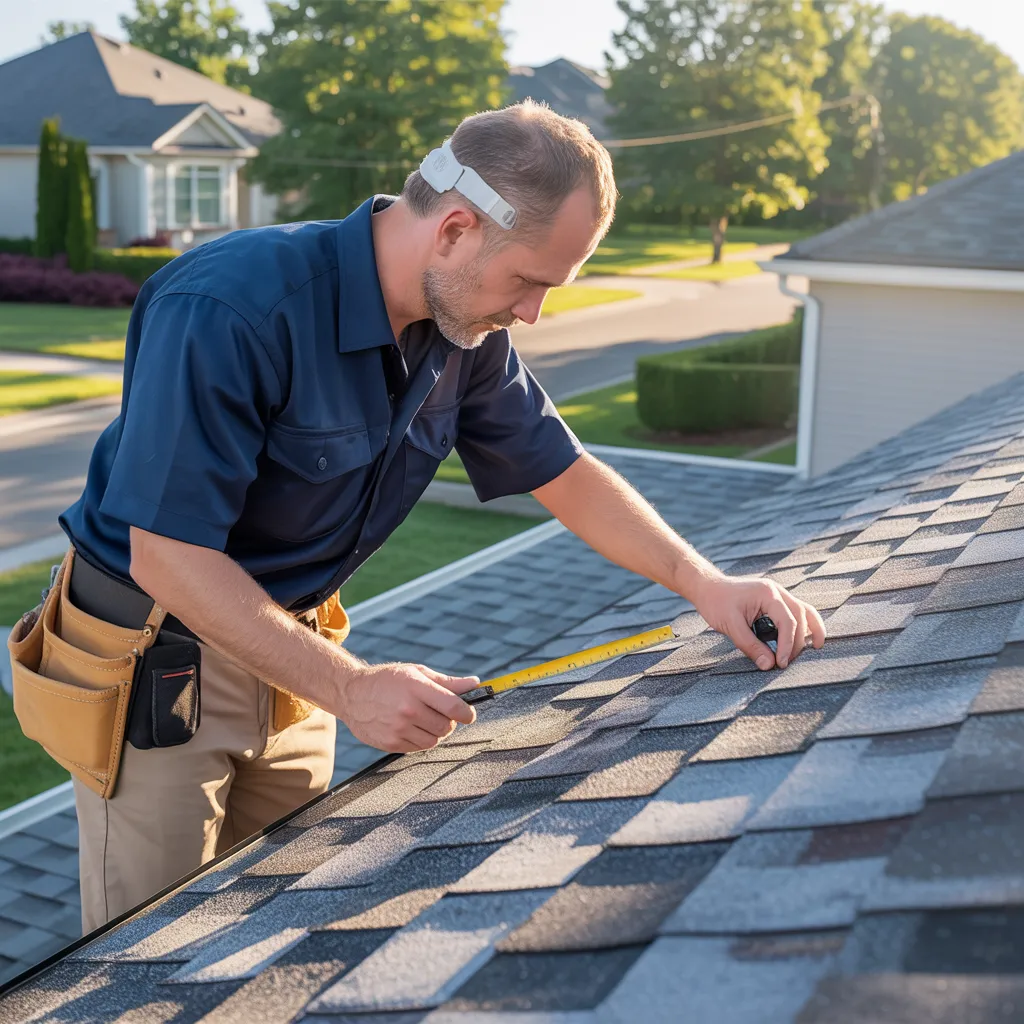
Why Go with a Experienced Roofing Contractor?
When property owners pursue roofing solutions, picking a skilled contractor can shape the longevity and strength of the final result. Skilled contractors have considerable expertise about different roofing materials and techniques, allowing them to suggest the optimal options adapted to particular needs. Their knowledge ensures that installations adhere to industry standards, reducing the likelihood of future issues.
Moreover, experienced contractors often have strong connections with suppliers, allowing them to source high-quality materials at affordable prices. This can result in a more cost-effective project without compromising on quality.
Moreover, experienced contractors regularly provide warranties on their work, offering homeowners with peace of mind. This assurance reflects their confidence in the craftsmanship they deliver. Ultimately, selecting an experienced roofing contractor not only enhances the immediate result but also contributes to the sustained performance and safety of the home.
How to Determine When You Should Hire a Roofing Contractor?
In what ways can a property owner identify the right time to phone a roof contractor? Detecting the signs of roofing issues is vital for upkeeping a protected and functional home. Residents should stay conscious of missing, split, or bent shingles, which indicate likely wear. Furthermore, the presence of moisture damage on upper surfaces or interior walls may suggest leaks that require swift attention. A sagging roof profile is yet another considerable warning sign, often pointing to foundational damage in the underlying structure.
Moreover, escalating energy bills can signal poor thermal protection or inadequate ventilation caused by roofing issues. Regular inspections following intense weather events such as storms or heavy snowfall are important to identify any budding concerns in a timely manner. If any of these find out more warning signs are observed, it is suggested to get in touch with a qualified roofing contractor to evaluate the situation and recommend required repairs or replacements. Immediate measures can stop further damage and protect the lifespan of the roof.
Benefits of Hiring a Expert Roofing Contractor
Working with a professional roofing contractor offers exceptional benefits, particularly in mastery and capability. These technicians are educated to manage various roofing challenges while upholding the use of quality materials. As a consequence, this creates solid and dependable roofing results that can survive the wear and tear of time.
Expertise And Skills
Although many homeowners may think about undertaking roofing projects themselves, the knowledge and abilities of a professional roofing contractor can significantly improve the outcome. These experts have specialized training and broad experience, enabling them to identify potential issues that an untrained eye might overlook. Their proficiency in various roofing techniques ensures proper installation, which is critical for longevity and durability. Furthermore, professional contractors stay updated on the latest industry standards and safety regulations, minimizing risks during the project. By leveraging their skills, homeowners can prevent costly mistakes often associated with DIY attempts. Ultimately, hiring a roofing contractor not only results in higher-quality work but also provides peace of mind, knowing that the roofing system is in capable hands.
Quality Materials Verification
A trained roof specialist offers not only understanding but also access to premium materials that powerfully determine the durability and performance of a roof assembly. By sourcing materials from well-established suppliers, these contractors guarantee that clients receive products designed to withstand environmental stresses, such as intense atmospheric conditions. This pledge to excellence reduces the probability of repairs or replacements in the subsequent years, extending occupants peace of mind. Likewise, expert professionals are knowledgeable about the latest industry standards and technological advances, allowing them to recommend materials that strengthen energy efficiency. Ultimately, the option to contract a qualified roof expert assures that the roof assignment is completed with top-tier products, generating a stable and persistent roof remedy.
Types of Roofing Materials and Their Durability
When examining roofing options, various materials offer distinct advantages concerning durability. Asphalt shingles, known for their affordability, deliver a dependable solution, while metal roofing presents enhanced longevity and protection to severe weather. Furthermore, tile roofing is celebrated for its impressive durability, making it a valuable option for homeowners looking for lasting protection.
Asphalt Shingles Introduction
Numerous property owners opt for asphalt shingles due to their combination of affordability and longevity. These shingles, composed primarily of asphalt and fiberglass, deliver a adaptable roofing solution. They come in a variety of styles and colors, allowing homeowners to customize their roofs to match their aesthetic preferences. The average lifespan of asphalt shingles varies from 15 to 30 years, depending on the quality and installation. Additionally, they perform admirably in various weather conditions, enduring wind and rain effectively. Maintenance is comparatively straightforward, often requiring only periodic inspections and cleaning. As a widely used roofing material, asphalt shingles also provide good fire resistance, contributing to their appeal among homeowners seeking trustworthy and economical roofing options.
Metal Roof Perks
While many property owners desire durability in roof options, metal roofing excels as an exceptional choice. Recognized for its remarkable longevity, metal roofs can last 40 to 70 years, considerably outpacing traditional options like asphalt shingles. They are impervious to a range of weather conditions, including heavy rain, snow, and wind, making them perfect for diverse climates. Additionally, metal roofing bounces back solar heat, enhancing energy efficiency and lowering cooling costs. Its lightweight nature allows for simpler installation and less structural strain. Available in a variety of styles and colors, metal roofs also improve a home's visual appearance. With minimal maintenance requirements, metal roofing proves to be a smart investment for homeowners emphasizing durability and sustainability.
Tile Longevity Insights
Tile roofing delivers another sturdy choice for homeowners hunting for permanent answers. Known for its toughness, tile roofing can withstand difficult weather conditions, including bright sunlight, copious rain, and forceful winds. Concrete and clay tiles are the most common types, each presenting unique advantages. Clay tiles are fire-proof and can last over 100 years, while concrete tiles deliver affordability and adaptability in design. Both types demand minimal maintenance and are resistant from rot and insects. Moreover, tile roofing boosts energy conservation by deflecting sunlight, reducing cooling costs. Still, it is vital to review the weight of tile roofing, as it may necessitate added structural support. Overall, tile roofing represents an wise choice for longevity and lasting durability.
Analyzing Roofing Services: Important Excellence Benchmarks
When evaluating the quality of roofing work, several key indicators emerge that can greatly impact a project's durability and effectiveness. First, the materials used must meet professional requirements; superior materials guarantee durability and resist environmental stressors. Second, the installation method is essential; improper installation can lead to water damage and structural issues, regardless of material quality. Third, meticulous care in flashing and sealing can prevent water intrusion, a common problem of damage.
Moreover, the presence of sufficient air circulation is essential, as it helps in regulating temperature and moisture within the roofing system. Finally, a trusted contractor will offer warranties for both components and workmanship, reflecting trust in their work. By assessing these indicators, homeowners can make well-considered choices about the quality of roof installation and its influence on their property value.
Questions to Raise Before Bringing On a Roofing Contractor?
How can property owners confirm they select the most suitable roofing professional? To achieve a successful roofing project, property owners ought to inquire several key questions. Initially, they need to question about the contractor's insurance and licensing status to verify their legitimacy and safeguard against potential liabilities. Next, it is essential to ask for testimonials from previous clients, providing insight into the contractor's quality of work and reliability.
Furthermore, property owners should examine the anticipated schedule and payment terms for the undertaking, guaranteeing clarity on costs and timeframes. Inquiring into the materials selected and their coverage can also expose the contractor's emphasis on durability and quality. Finally, grasping the contractor's position regarding safety measures can provide assurance about the work setting. By addressing these questions, homeowners can make educated decisions and pick a roofing contractor that fulfills their unique needs.
Finding the Appropriate Roofing Material for Your Requirements
Choosing the right roof covering is vital for guaranteeing a property's lasting strength and aesthetic appeal. Multiple considerations affect this decision, including climate, financial constraints, and architectural style. Asphalt shingles are widely used for their affordability and ease of installation, rendering them appropriate for many homeowners. Metal roofs, recognized for their durability and resistance to extreme weather, attract those looking for robust solutions.
For a more eco-friendly alternative, slate and tile supply resilience and a unique appearance but come at a higher cost. Additionally, householders should consider energy efficiency; materials like reflective metal can cut cooling costs.
In the final analysis, the determination should be aligned with both essential requirements and personal preferences. Working alongside an veteran roofing contractor can supply worthwhile perspective, making certain that the elected material complements the property while meeting ongoing needs.
Frequently Asked Questions
How long Does a Standard Roofing Project Take to Complete?
A regular roofing project ordinarily takes between one to three weeks to complete. Factors impacting the schedule include roof dimensions, materials employed, weather conditions, and the complexity of the installation procedure.
What Coverage Do Roofing Contractors Typically Provide on Their Work?
Roofing contractors typically provide guarantees spanning 5 to 30 years, based on the materials used and the complexity of the project. These warranties often cover workmanship and material defects, ensuring extended coverage for clients.
Can You locate financing options for roofing projects?
Many roof contractors extend financing options, along with payment plans, loans, and credit accounts. These selections can facilitate homeowners manage costs with improved success, facilitating roofing projects easier to obtain without jeopardizing performance or necessary repairs.
How Do I Keep My Roof in Proper Shape Post-Installation?
Caring for a roof once installed demands regular inspections for debris and damage as paramount. Emptying gutters, checking flashing, and maintaining proper ventilation can prevent issues, lengthening the roof's lifespan and preserving its strength.
What Actions Should I Take if I Detect Leaking Roofs?
Upon noticing roof leaks, the individual should promptly inspect for apparent wear, inspect drainage systems, and clear debris. Engaging a professional for a thorough assessment and required maintenance ensures long-term protection and prevents further building damage.